Skin Concern
Pigmentation
Address uneven skin tone, sun damage and dark marks with a structured medical-grade plan.
Overview
Pigmentation is one of the most common concerns we treat at CARA — and it is also one of the most technique-sensitive. Treating pigmentation badly can make it worse. That is why we always start with a proper skin assessment, and why we build long-term plans rather than one-off quick fixes.
What You Might Notice
- Dark patches on the cheeks, forehead or upper lip (melasma)
- Sun spots and age spots
- Dark marks left behind after acne or inflammation
- A generally dull, uneven skin tone
- Patches that worsen in sunlight
Why It Happens
Pigmentation has multiple causes — UV exposure, hormones (particularly pregnancy and hormonal contraception), inflammation, and genetic predisposition. Understanding your specific type of pigmentation is essential before treatment, which is why OBSERV® analysis is our starting point.
How We Diagnose This
We Start by Understanding Your Skin
OBSERV® 520x skin analysis reveals what is happening on and beneath the surface — including the drivers behind pigmentation. This is where every plan at CARA begins.
How We Treat Pigmentation
Pigmentation requires patience and the right sequence of treatments. We typically start with a structured medical-grade skincare system — Obagi Nu-Derm® is particularly effective — alongside in-clinic treatments such as AlumierMD® facials and the Obagi Blue Peel Radiance®. Daily SPF is non-negotiable. For some patients, SkinPen® microneedling can be introduced once the skin is stable. We are honest about the timeline: visible results typically take 12 weeks or more.
Recommended
Treatments We May Use
The right combination for your skin is tailored at consultation.

OBSERV 520x® Skin Analysis
Advanced skin imaging that reveals what is happening on and beneath the surface — the starting point of every CARA journey.
Learn More →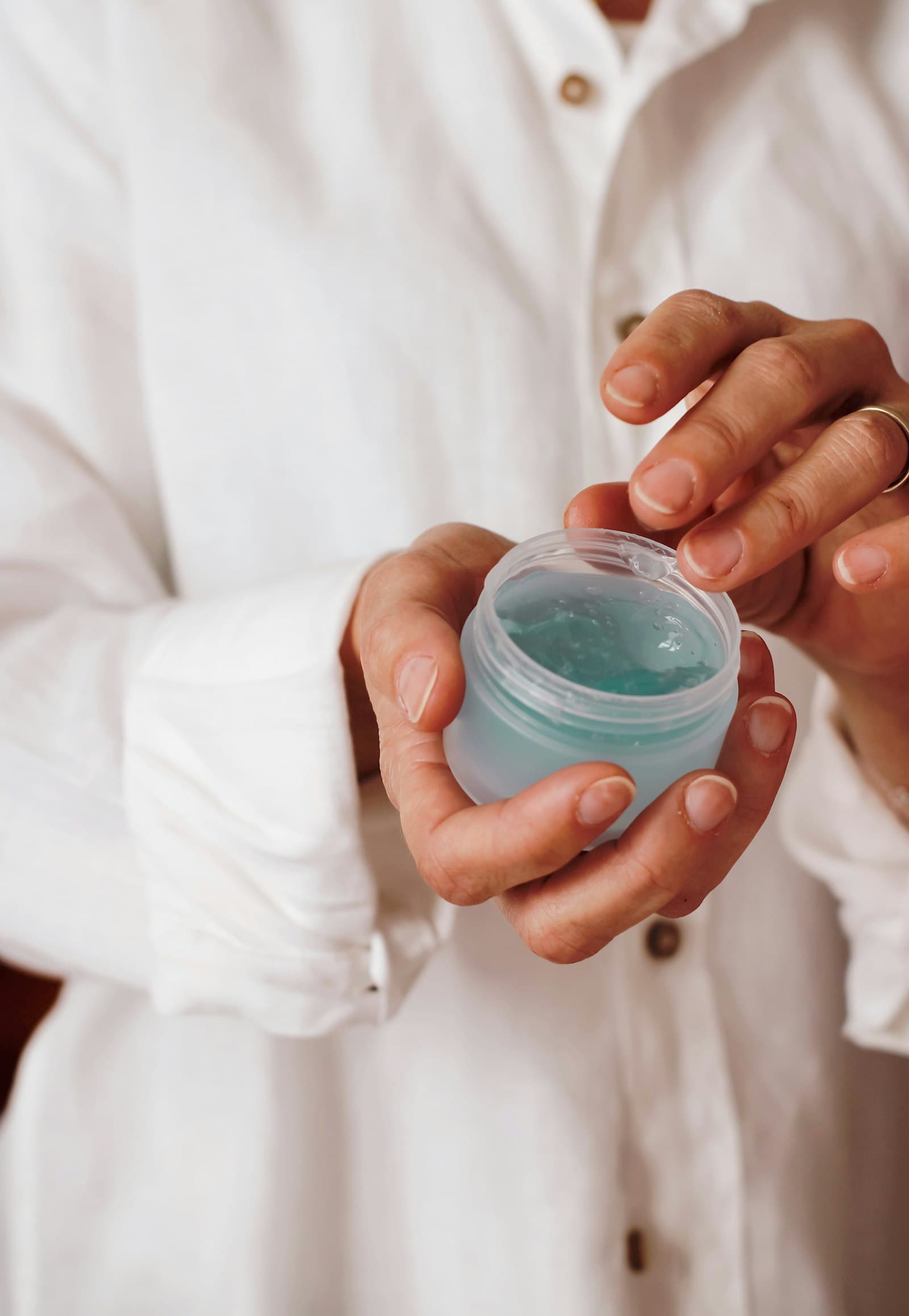
Obagi Medical® Nu-Derm System
A structured, medical-grade skincare programme designed to visibly improve skin tone, clarity and renewal over time.
Learn More →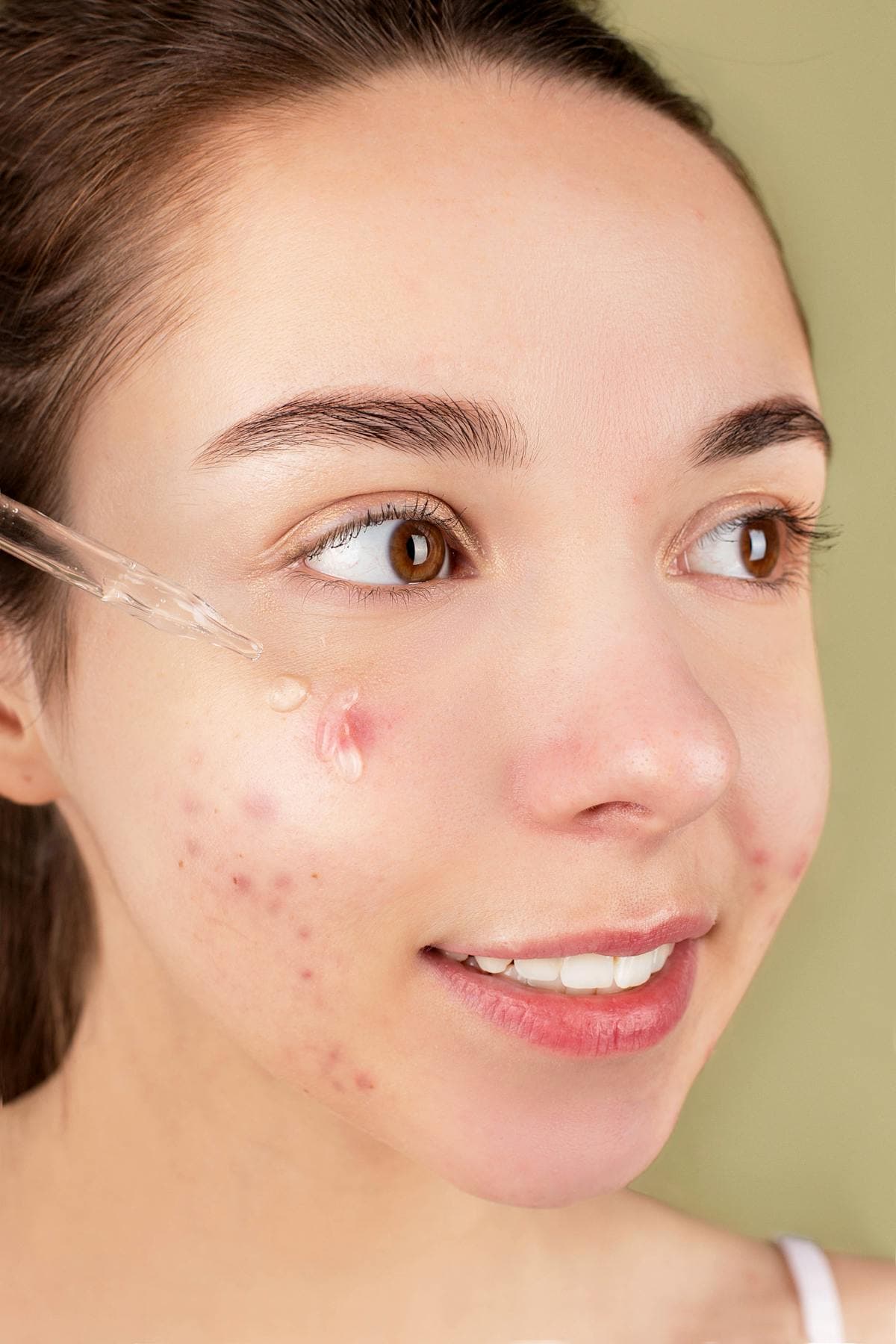
Obagi Blue Peel Radiance®
A superficial salicylic acid peel that improves skin clarity, texture and radiance with minimal downtime.
Learn More →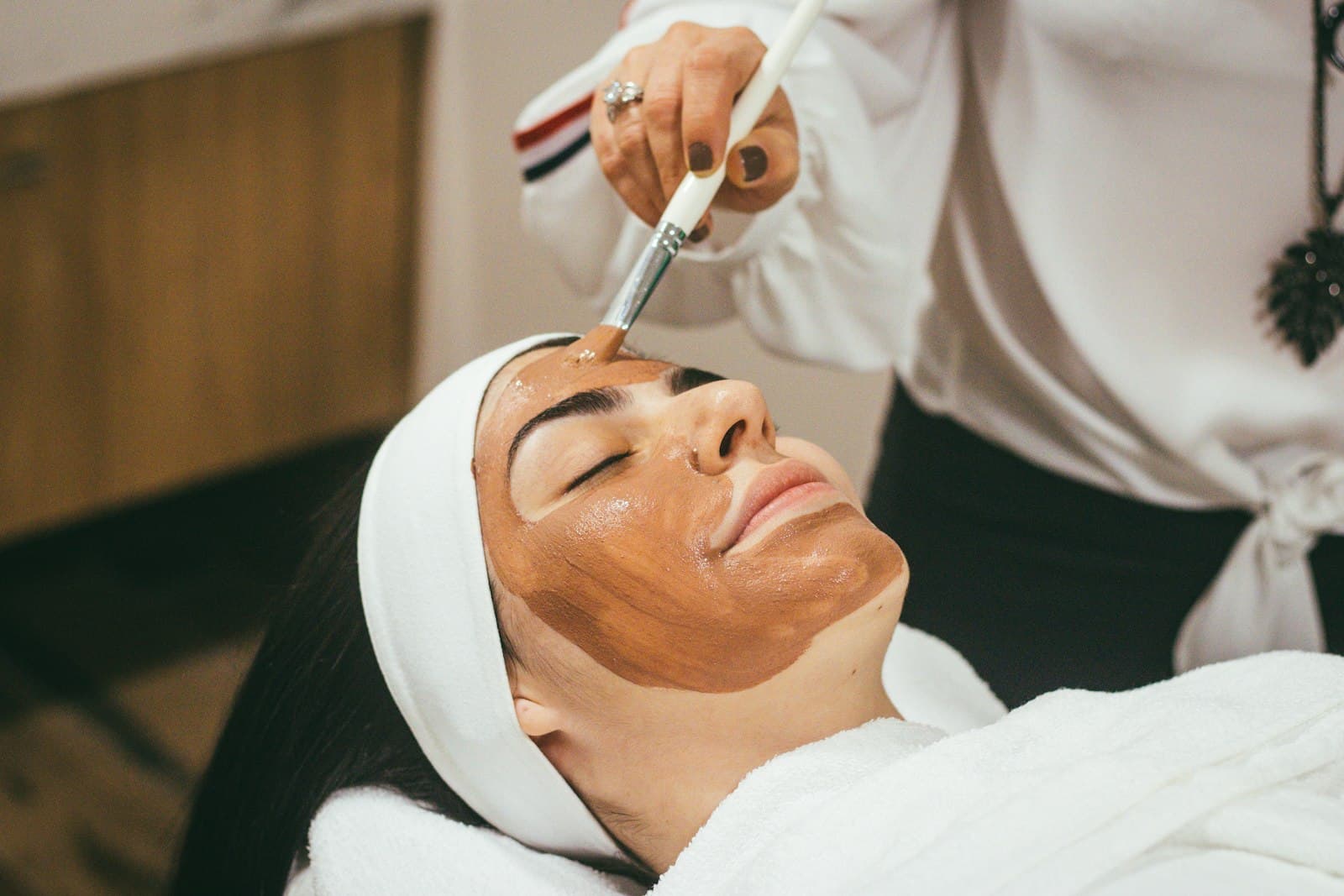
AlumierMD® Facials & Peels
Results-driven, medical-grade facials designed to improve skin health and support the skin barrier — not just relaxation treatments.
Learn More →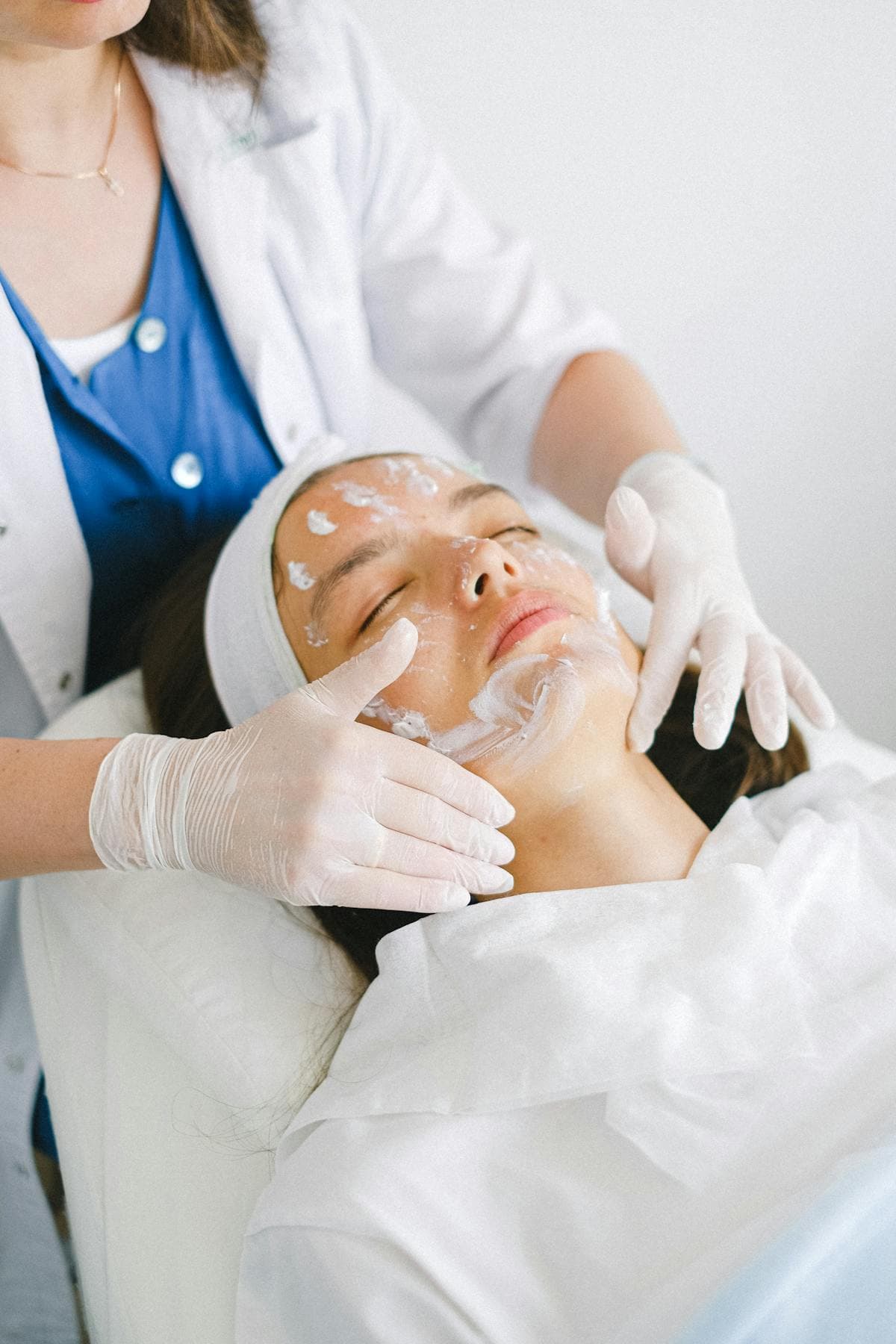
SkinPen® Precision Microneedling
The first FDA-cleared medical microneedling device, designed to improve skin texture, acne scarring and overall skin quality.
Learn More →Frequently Asked Questions
Without daily SPF, pigmentation will return — often within weeks. Sun protection is the single most important factor in both treating and preventing pigmentation. This is not optional.
No. Genuine, lasting pigmentation improvement takes time — usually 12 weeks of consistent skincare, often longer. Be cautious of anyone promising quick fixes.
Melasma is a hormonal form of pigmentation that typically appears as patches on the cheeks, forehead and upper lip. It requires particularly careful treatment — the wrong approach can make it worse.
Often yes — particularly for stubborn pigmentation. Obagi Medical® includes prescription-only ingredients where appropriate, prescribed and supervised by our nurse prescriber.
Ready to Understand Your Pigmentation?
Every plan at CARA starts with understanding your skin properly. Book your OBSERV® skin analysis to get started.